Postpartum & Newborn Care

Why Newborns Should Be Vaccinated Early

Cac-vaccine-quan-trong-can-tiem-ngay-sau-sinh

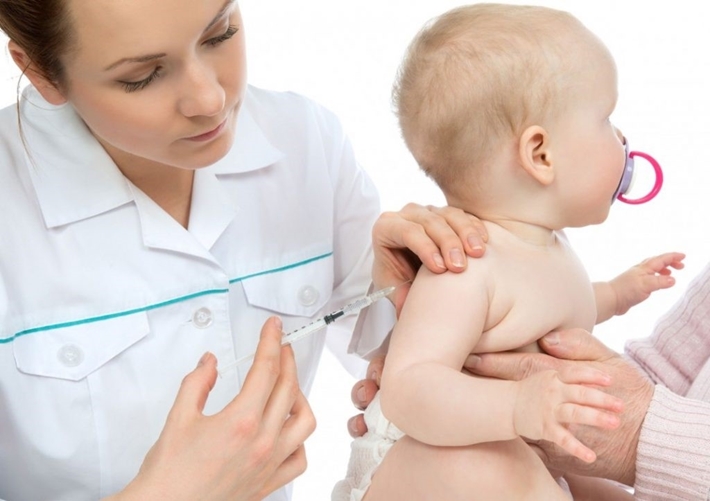
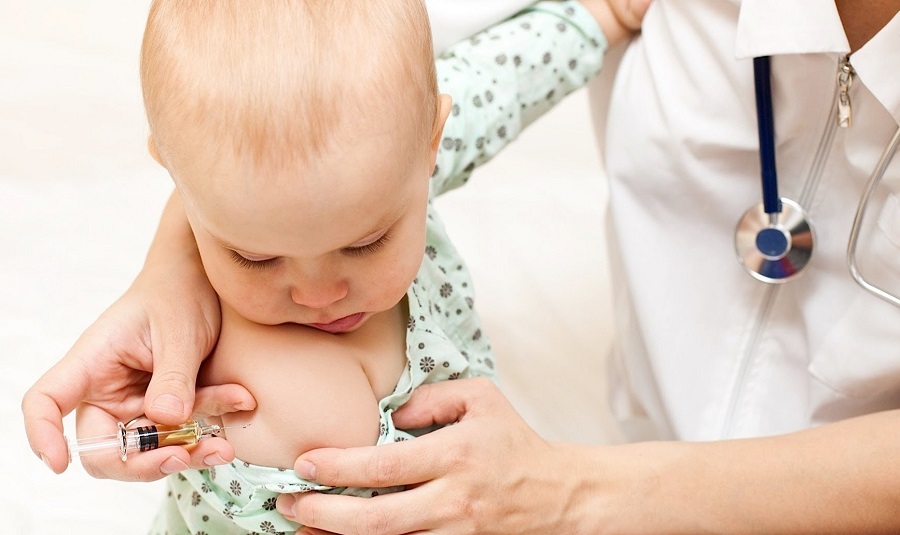
Vaccinating newborns is a vital health measure strongly recommended by global and national health organizations to protect infants from serious infectious diseases right from the start. According to the latest guidance in Vietnam (2025 update from the Ministry of Health), early vaccination not only helps build the infant’s immune system but also reduces the risk of mother-to-child transmission of diseases—especially in regions where illnesses like hepatitis B and tuberculosis are still common.

The Benefits of Early Vaccination for Newborns

Early vaccination offers numerous advantages—not only safeguarding the individual child but also contributing to community disease control. According to the World Health Organization (WHO) and recent studies by local immunization systems, following the recommended schedule of vaccinations can prevent up to 95% of dangerous diseases, supporting healthy development and easing healthcare burdens for families.

Protects against dangerous infectious diseases

Newborns have underdeveloped immune systems and are vulnerable to viruses and bacteria from their environment. Early vaccination creates a protective “shield,” stopping pathogens—such as hepatitis B, tuberculosis, diphtheria, and pertussis—before they can take hold.
For example, the hepatitis B vaccine administered within the first 24 hours after birth can prevent up to 95% of mother-to-child transmission.
Parents should combine skin care and newborn health monitoring as part of postnatal care, including checking the vaccination schedule to avoid missed doses. This helps prevent acute illness and reduces the risk of outbreaks of illnesses such as tuberculosis.

Builds a strong immune system from the very beginning

In the first days of life, a newborn’s immune protection mainly comes from maternal antibodies passed through the placenta and breast milk—but these wane after a few months. Early vaccination prompts the infant’s own immune response and builds a solid foundation of immunity.
Studies show that infants who were fully vaccinated from birth have a 70-90% better ability to resist disease than those who were not. This supports uninterrupted physical and cognitive development.

Reduces risk of death and severe complications

A major benefit of early vaccination is the reduction of infant deaths and long-term complications. Diseases such as hepatitis B, if left un-vaccinated, may lead to cirrhosis or liver cancer later in life, while tuberculosis can cause permanent lung damage. Reports indicate that in developing countries, early vaccination has helped reduce up to 85% of deaths in children under one year old from infectious diseases. Infants who are unvaccinated face many times higher risk of severe disease, longer hospitalization, and higher treatment costs.

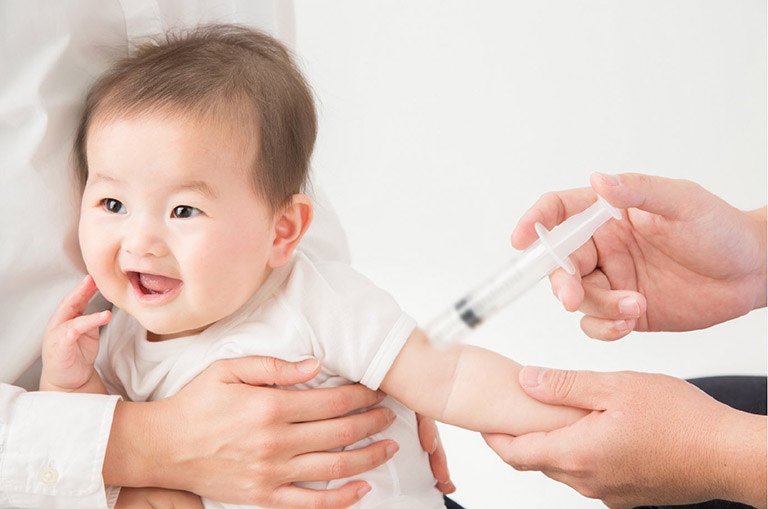
Important Vaccines to Give Right After Birth

Based on expanded vaccination schedules, newborns should receive certain vaccines soon after birth to optimize protection. These vaccines are safe, with low rates of side-effects, and should be administered at reputable healthcare facilities.

  • Hepatitis B vaccine within the first 24 hours
    The birth dose of hepatitis B vaccine is the first and most important injection, recommended within the first day of life to prevent transmission from mother.
    In areas where hepatitis B prevalence is higher, infants born to infected mothers may also receive hepatitis B immunoglobulin to further increase protection.
    Parents should review the mother’s prenatal test results to prepare accordingly.

  • Tuberculosis vaccine (BCG) to protect against serious TB disease
    The BCG vaccine should be given during the first month of life—ideally right after birth, if the infant weighs at least 2 kg. It protects children against severe forms of tuberculosis, such as tuberculous meningitis and miliary (disseminated) TB, with efficacy of about 70-80% in young children.
    A small scar at the injection site is normal and indicates that the immune response has been triggered. For pre-term or low-birth-weight infants, vaccination may be delayed until certain conditions are met—but ideally not later than 1 year old.

  • Other vaccines within the first month
    In addition to the two vaccines above, infants may receive other immunizations according to the recommended schedule. At 1-2 months of age, newborns are typically given a six-in-one vaccine (diphtheria, pertussis, tetanus, Hib, polio, hepatitis B booster) and the pneumococcal vaccine. At 2 months, the rotavirus vaccine may also be given to prevent severe diarrhea. Parents should monitor the schedule at local health clinics or hospitals and keep accurate records to avoid missed doses. These vaccines also help reduce community spread of disease, especially during outbreak seasons.

Risks of Not Vaccinating Early

Failure to vaccinate early can lead to serious consequences—particularly once the infant begins interacting more with the outside environment. Experts have reported that infants who are not vaccinated have significantly higher risk of contracting disease and developing long-term complications.

  • Increased risk of mother-to-child transmission of viruses
    Newborns can acquire viruses from their mother during delivery or through close contact. Failure to vaccinate against hepatitis B early can result in chronic infection in up to 90% of cases. Tuberculosis exposure without BCG protection may lead to early disease in infants.

  • Higher likelihood of severe disease due to weak immune system
    With their immature immune systems, unvaccinated infants are at much greater risk of serious illnesses like pertussis or polio, often leading to hospitalization and increased mortality rates. Delaying vaccination increases risk of complications two-fold in some cases.

  • Long-term complications such as cirrhosis or cancer
    Without the hepatitis B vaccine, an individual infected at birth may face cirrhosis or liver cancer later in life. Unchecked tuberculosis can cause permanent disability. Early vaccination remains the keyway to avoid these far-reaching risks and ensure a long, healthy life for your child.

Follow the page to get more useful information

Brand: COZYMOMSTYLE.
Email: contact@cozymomstyle.com.
Phone: +1 (970) 616-0007.
Business Hours: Monday–Friday, 9:00 AM–5:00 PM (UTC-7).
Address: 2507 Mountair Ln, Greeley, CO 80634, United States.
Social:

Cozymomstyle has a new collection

Select options This product has multiple variants. The options may be chosen on the product page

Leave a Comment

Your email address will not be published. Required fields are marked *