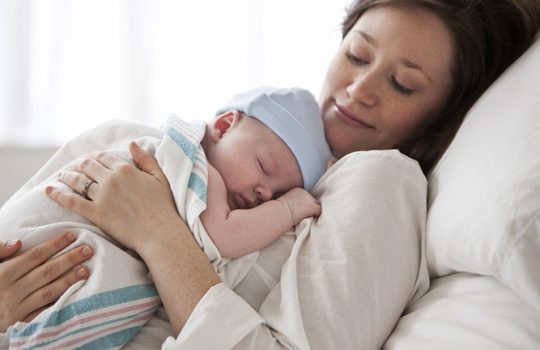
You’re Not Alone — and You’re Not Failing
Bringing a baby into the world is one of life’s most powerful experiences. But while everyone celebrates the “baby bliss,” few talk about what happens when joy feels mixed with worry, sadness, or overwhelm.
If you’ve been feeling “off” after giving birth — more than just tired — you might be experiencing postpartum anxiety or depression. And the truth is, it’s very common. According to the CDC, 1 in 8 women in the U.S. experience postpartum depression symptoms. The good news? Help and healing are absolutely possible.
Recognizing the Signs
Every mom’s experience is different, but these are some common signs of postpartum anxiety or depression:
Emotional Signs
Persistent sadness, hopelessness, or guilt
Feeling detached from your baby or loved ones
Crying more often than usual
Physical & Mental Signs
Difficulty sleeping (even when baby sleeps)
Racing thoughts or excessive worry
Fatigue or loss of energy that doesn’t improve with rest
Changes in appetite
If you recognize several of these symptoms and they last more than two weeks, it’s important to talk to your healthcare provider. You deserve support and relief — not silence.
When to Seek Professional Help
Reach out for help immediately if you ever have thoughts of harming yourself or your baby. This is a medical emergency — not a reflection of your worth as a mother.
Otherwise, talk to your OB-GYN, midwife, or primary care doctor if:
Your anxiety or sadness feels unmanageable
You’re struggling to bond with your baby
You can’t sleep or eat even when you want to
Everyday tasks feel overwhelming
Therapy, medication, and peer support can make a life-changing difference. Postpartum mental health challenges are treatable — you do not have to navigate them alone.
Caring for Yourself Through Recovery
While professional care is key, small daily actions also help your mind and body heal.
1. Prioritize Rest
Sleep may be scarce, but even short naps or trading off with a partner can help calm your nervous system.
2. Nourish Your Body
Focus on balanced meals rich in protein, omega-3s, and iron. Proper nutrition supports both mood and recovery.
3. Stay Connected
Talk about how you feel — with your partner, a friend, or another mom who understands. Isolation makes symptoms worse; connection helps lift the fog.
4. Create Comfort in Your Space
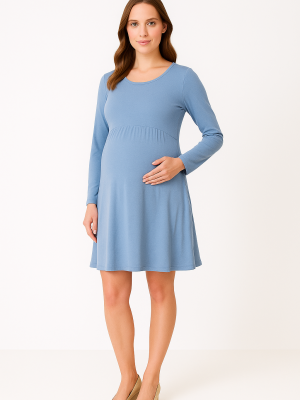
It’s okay to slow down and make comfort a part of your healing. Soft fabrics, warm light, and cozy clothing can help you feel grounded and calm.
That’s where Cozymomstyle comes in — our Comfort Line was designed with new moms in mind.
Each piece is soft, breathable, and gentle — perfect for recovery days, quiet moments with your baby, or simply taking care of you.
🩵 Because self-care isn’t selfish — it’s survival.
Follow the page to get more useful information
Brand: COZYMOMSTYLE.
Email: contact@cozymomstyle.com.
Phone: +1 (970) 616-0007.
Business Hours: Monday–Friday, 9:00 AM–5:00 PM (UTC-7).
Address: 2507 Mountair Ln, Greeley, CO 80634, United States.
Social: