The postpartum period is emotional, overwhelming, beautiful—and sometimes incredibly challenging. Many American moms experience changes in mood, energy, and stress levels. But postpartum anxiety (PPA) and postpartum depression (PPD) are two different conditions that deserve awareness and early support.
Understanding the differences can help you recognize what’s happening, seek the right care, and feel less alone during one of life’s most demanding transitions.
Key Differences: Postpartum Anxiety vs Postpartum Depression
Postpartum anxiety and postpartum depression often overlap, but each has its own core symptoms.
Postpartum Anxiety (PPA)
Characterized by intense worry and physical tension.
Common signs include:
Persistent racing thoughts
Feeling constantly “on edge” or hyperaware
Difficulty relaxing or sleeping even when the baby is sleeping
Physical symptoms like heart pounding, nausea, or shortness of breath
Excessive fear about baby’s health or safety
Irrational “what if” scenarios that feel uncontrollable
Many moms describe postpartum anxiety as constant mental noise, even during calm moments.
Postpartum Depression (PPD)
More focused on mood, energy, and emotional well-being.
Common signs include:
Persistent sadness or hopelessness
Feeling disconnected from the baby
Loss of interest in daily activities
Low energy and fatigue that feels heavier than normal new-mom exhaustion
Irritability, anger, or emotional numbness
Difficulty concentrating
Changes in appetite or sleep patterns
Moms with PPD often describe feeling overwhelmed, flat, or unlike themselves.
When You Should See a Professional
It’s time to reach out for professional help—OB-GYN, primary care, therapist, or psychiatrist—if:
Symptoms last more than two weeks
You feel your anxiety is interfering with sleep, bonding, or daily life
You feel disconnected from your baby or partner
You’re having persistent fear, panic, or intrusive thoughts
You have thoughts of hurting yourself or feel like you can’t cope
You’re unable to function or complete routine tasks
In the US, your healthcare team is trained to treat postpartum mental health just like any other medical condition. You don’t have to wait until things get “bad enough” to ask for help.
Immediate help:
If you’re in crisis or having harmful thoughts, call or text 988, the US Suicide & Crisis Lifeline (available 24/7).
Support Groups and Resources for Moms in the U.S.
You’re not alone—many moms feel exactly what you’re feeling.
Here are credible places where American moms find support:
Postpartum Support International (PSI)
Nationwide support groups, online meetings, and a helpline:
1-800-944-4773 (text or call)
Local Hospital Moms’ Groups
Most US hospitals host postpartum support circles, lactation groups, or new-mom classes.
Kaiser, Sutter, Cleveland Clinic, Mayo Clinic
Large healthcare systems offer virtual therapy options and postpartum behavioral health programs.
Mom-Centered Communities
Many US moms find support through groups like:
Peanut (app for connecting moms)
MOPS (Mothers of Preschoolers)
Facebook newborn or postpartum groups
Reaching out is not a sign of weakness—it’s a sign of taking care of yourself.
Daily Self-Care That Helps Reduce Symptoms
Self-care isn’t a luxury during postpartum—it’s a survival tool. Even small habits can reduce anxiety and mood dips.
Mindful Breathing (2 minutes)
Deep, slow breathing lowers cortisol and grounds your thoughts.
Short Walks
Sunlight and light movement boost serotonin and calm the nervous system.
Journaling
Write down worries, wins, and daily gratitude to release mental tension.
Boundaries
Say no to unnecessary visitors or pressure. Protect your rest and recovery time.
Regular Meals
Blood sugar crashes worsen anxiety and mood swings. Simple, nutrient-dense snacks help stabilize energy.
Talking to Someone Daily
A friend, partner, or fellow mom makes a huge difference.
How Cozy Clothing Supports Mental Wellness
Physical comfort influences emotional comfort—especially postpartum, when your body is sensitive, swollen, and healing.
Soft, breathable, stretchy clothing can:
Reduce sensory stress and irritation
Support calm and comfort during feeding sessions
Help regulate body temperature, especially when mood shifts cause sweating or chills
Make you feel more put together without pressure to “dress up”
Create a soothing environment for both mom and baby
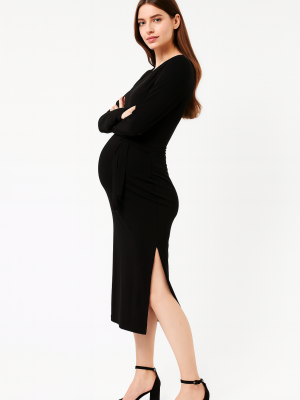
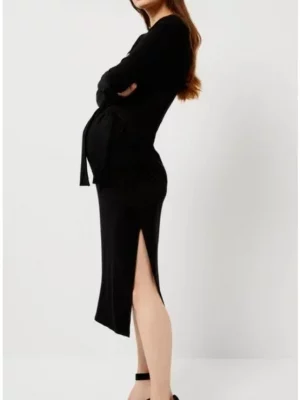
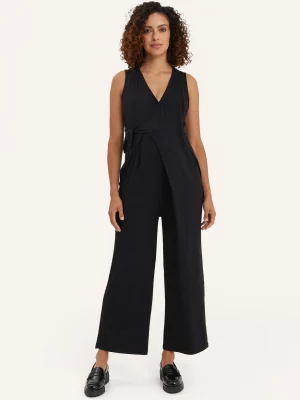
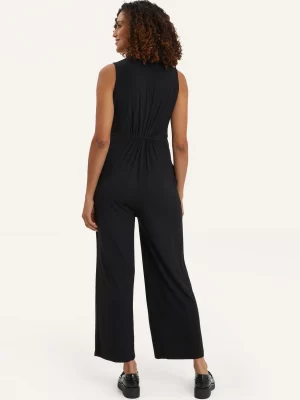
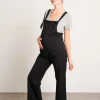
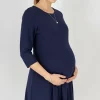
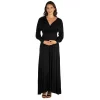
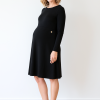
Cozymomstyle designs postpartum-friendly clothing with gentle compression, buttery-soft fabrics, and relaxed silhouettes that promote emotional ease throughout the day. When your clothing feels comforting, your mind can relax too.
Follow the page to get more useful information
Brand: COZYMOMSTYLE.
Email: contact@cozymomstyle.com.
Phone: +1 (970) 616-0007.
Business Hours: Monday–Friday, 9:00 AM–5:00 PM (UTC-7).
Address: 2507 Mountair Ln, Greeley, CO 80634, United States.
Social: